The Hidden Causes of Herniated Discs and How to Prevent Them
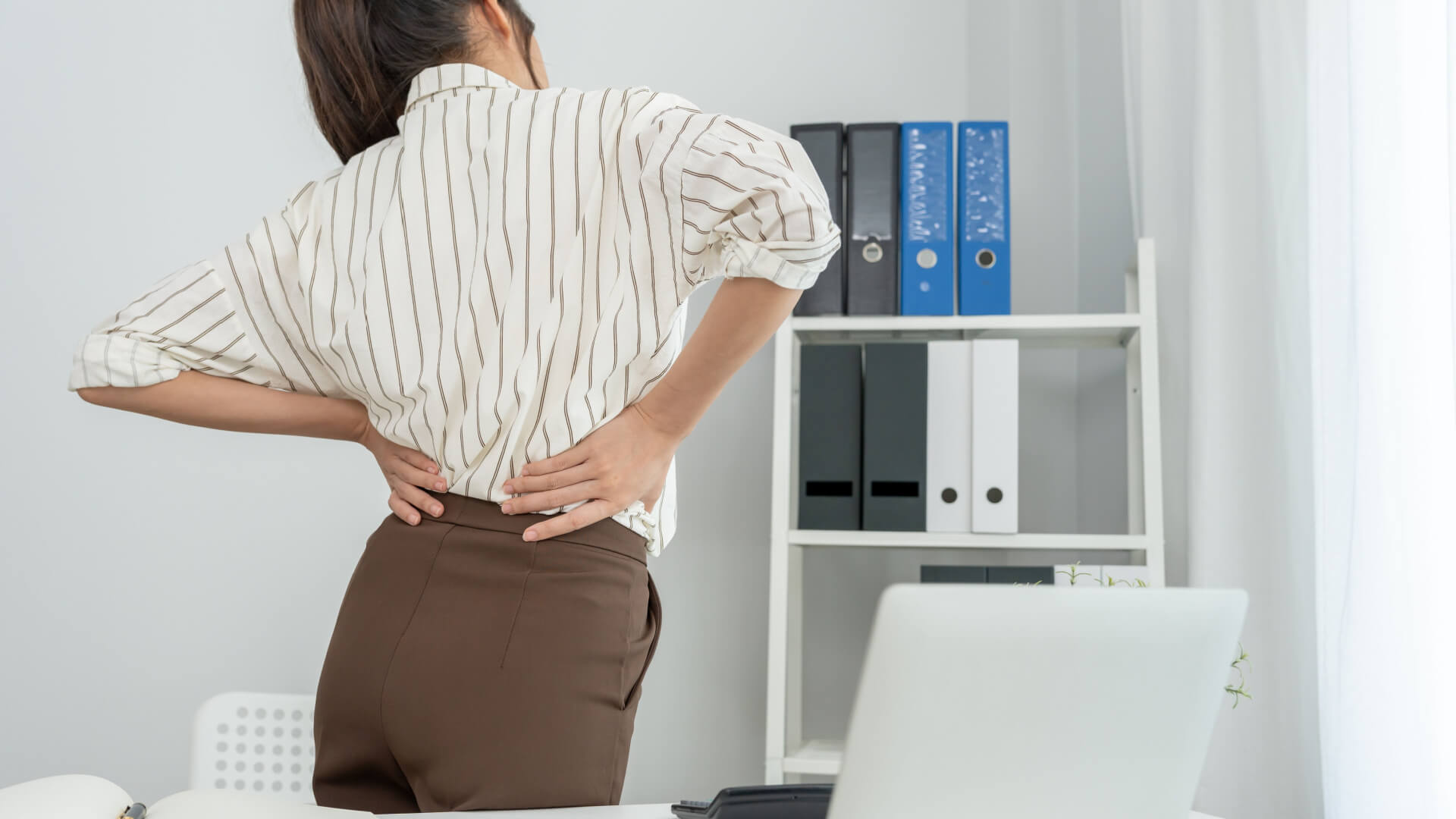
When you wake up with a sharp pain in your back, it’s easy to blame it on the position you slept in or because you lifted something heavy the day before. But did you know that one of the common culprits could be a herniated disc?
This condition can significantly impact your daily life, causing discomfort and limiting your activities. Illinois Back Insitute treats herniated discs and can help you identify if you suffer from one. If you’re not sure what herniated discs are, their causes, and how you can prevent them, we can help.
What Are Herniated Discs?
Herniated discs, also known as slipped or ruptured discs, occur when the soft, jelly-like center of a spinal disc pushes through a crack in the tougher exterior casing. This can irritate nearby nerves and result in pain, numbness, or weakness in your arm or leg. While some herniated discs cause no symptoms, others can lead to severe discomfort.
To understand herniated discs, it’s essential to know a bit about spinal anatomy. Your spine consists of 33 vertebrae stacked on top of each other, separated by intervertebral discs. These discs act as cushions, absorbing shock and allowing flexibility. Each disc has a soft, gel-like center (nucleus pulposus) surrounded by a tough outer layer (annulus fibrosis).
Common Symptoms of Herniated Discs
Herniated discs can present several symptoms, depending on their location and the severity of the herniation. Common symptoms include:
- Pain in the lower back, neck, or legs.
- Numbness or tingling in the affected areas.
- Muscle weakness.
- Difficulty with movement and flexibility.
5 Causes of Herniated Discs
1. Aging
One of the most common causes of herniated discs is aging. As we get older, our spinal discs lose hydration and flexibility, making them more susceptible to tears and ruptures. This process, known as degenerative disc disease, can start as early as our 30s or 40s and progresses with age.
2. Repetitive Motions
Repetitive motions – such as bending, twisting, sitting, or standing for extended periods – can strain the spine and increase the risk of a herniated disc. Jobs and activities that involve these repetitive movements can take a toll on your back over time.
3. Lifting Heavy Objects
Improper lifting techniques – such as using your back muscles instead of your legs and thighs, or twisting and turning while lifting – can lead to herniated discs. Ensuring proper form and body mechanics when lifting heavy objects is crucial to prevent injury.
4. Injuries
While less common, traumatic injuries like falls, car accidents, or sports-related incidents can cause herniated discs. These events can exert excessive force on the spine, leading to disc herniation.
5. Vitamin D Deficiency
Interestingly, a genetic polymorphism associated with vitamin D receptors has been linked to the development of herniated discs. Ensuring adequate vitamin D levels through diet or supplements may help support spinal health.
Types of Herniated Discs
1. Protrusion
A protrusion occurs when the disc bulges out, but the outer layer remains intact. This type of herniation may cause mild symptoms or remain asymptomatic, depending on whether it compresses a nerve.
2. Extrusion
An extrusion happens when the nucleus pulposus breaks through the annulus fibrosus but stays connected to the disc. This type of herniation often causes more significant symptoms, such as pain and nerve irritation.
3. Sequestration
Sequestration is the most severe type, where the nucleus pulposus breaks completely free from the disc and enters the spinal canal. This can lead to intense pain and neurological symptoms, often requiring medical intervention.
Prevention Tips
1. Maintain a Healthy Weight
Excess weight can put additional strain on your spine, increasing the risk of herniated discs. Maintaining a healthy weight through a balanced diet and regular exercise can help reduce this risk.
2. Strengthen Your Core Muscles
Strong core muscles provide better support for your spine. Incorporate exercises that target your abdominal and back muscles to build a stable core and reduce the likelihood of disc herniation.
3. Practice Proper Lifting Techniques
Always use proper lifting techniques to avoid straining your back. Bend at your knees, keep the object close to your body, and lift with your legs, not your back. Avoid twisting while lifting.
4. Stay Active
Regular physical activity helps keep your spine flexible and strong. Engage in low-impact exercises like walking, swimming, or yoga to maintain spinal health and prevent herniated discs.
5. Maintain Good Posture
Poor posture can place unnecessary stress on your spine. Make an effort to sit and stand with proper alignment, keeping your back straight and shoulders relaxed.
6. Stay Hydrated
Hydration is essential for maintaining the elasticity and flexibility of your spinal discs. Drink plenty of water throughout the day to support spinal health.
Contact Illinois Back Institute For Help Treating Your Herniated Disc
Understanding the causes and symptoms of herniated discs is crucial for maintaining a healthy back. By incorporating preventive measures into your daily routine, you can reduce the risk of developing this painful condition.
Remember, seeking early intervention and professional advice from healthcare providers like those at Illinois Back Institute can make a significant difference in your recovery and overall well-being. If you’re experiencing symptoms or want to learn more about maintaining a healthy spine, contact us to schedule a consultation.