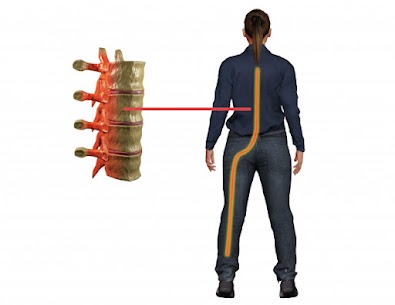
Sciatic nerve pain in left leg can be a truly frustrating experience. Whether it’s a mild ache or a sharp, burning sensation, the discomfort can affect your day-to-day activities.
- What is it? Pain radiating from your lower back down to your left leg.
- Common symptoms: Pain, numbness, tingling, or a pins-and-needles sensation.
- Immediate concerns: Consult a doctor if you experience severe leg weakness or trouble with bladder control.
Let’s explain why this type of pain happens. Sciatica is often a result of pressure on the sciatic nerve, usually from a herniated disc, bone spurs, or muscle strain. The pain typically travels down the path of the sciatic nerve, running through the hips and buttocks and down each leg. This nerve issue affects millions and can disrupt everyday life.
If you’re tired of quick fixes that don’t last, consider a non-invasive option. The Illinois Back Institute offers Functional Disc Stabilization™, a drug-free and surgery-free treatment. It’s been successful with tens of thousands of patients, helping to reverse disc degeneration and improve your quality of life safely.
Understanding Sciatic Nerve Pain in Left Leg
Experiencing sciatic nerve pain in the left leg can be quite distressing. This pain often starts in the lower back, travels through the buttocks, and extends down the leg. It can range from a mild ache to a sharp, burning sensation. The discomfort is often more intense in the leg than in the back.
Recognizing the Symptoms
The symptoms of sciatic nerve pain are varied but commonly include:
- Leg Weakness: Feeling unsteady or weak in one leg is a red flag. It might indicate that the sciatic nerve is under significant pressure.
- Numbness: A loss of sensation in the leg or foot can occur. This numbness often accompanies pain, making it difficult to move or feel the affected area.
- Tingling: Often described as a “pins-and-needles” sensation, tingling can be persistent and annoying.
Why Does This Happen?
The sciatic nerve is the largest nerve in your body. It originates from the lower spine and extends down each leg, controlling muscles and providing sensation. When this nerve is pinched or irritated, usually by a herniated disc or bone spur, it can cause significant discomfort.
Common Triggers:
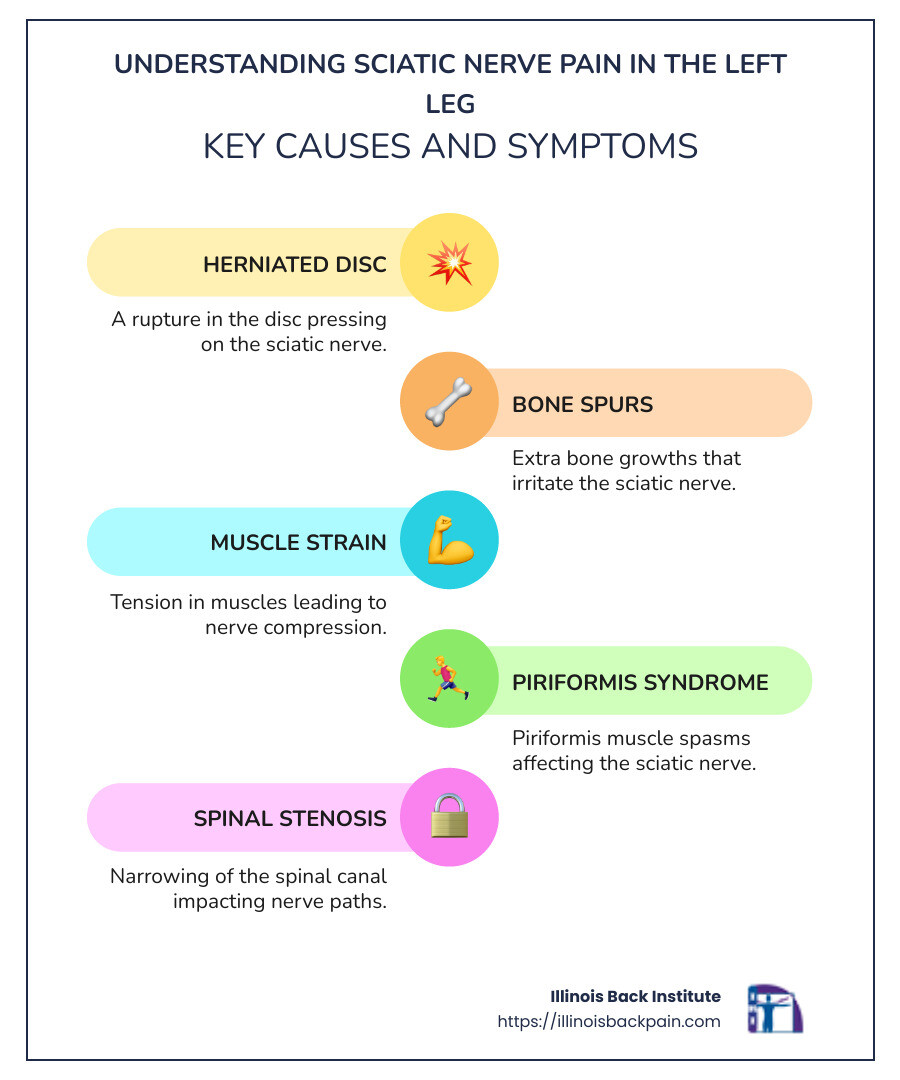
- Herniated Disc: A bulging or ruptured disc can press against the nerve.
- Bone Spurs: These bony growths can narrow the spinal canal, pinching the nerve.
- Muscle Strain: Overworked muscles can also add pressure to the nerve.
When to Seek Help
If you experience severe leg weakness, numbness in the genital area, or loss of bladder or bowel function, seek medical attention immediately. These could be signs of a serious condition like cauda equina syndrome.
For those seeking a long-term solution, the Illinois Back Institute offers Functional Disc Stabilization™. This innovative, non-invasive treatment targets disc degeneration without the need for drugs or surgery, offering relief and a healthier back.
By understanding these symptoms and causes, you can better manage and treat your sciatic nerve pain effectively.
Causes of Sciatic Nerve Pain
Sciatic nerve pain can be triggered by various underlying issues. Understanding these causes can help in managing and addressing the pain more effectively.
Herniated Disc
A herniated disc is a common culprit behind sciatic nerve pain. Imagine your spinal discs as jelly doughnuts with a softer center encased in a tougher exterior. Sometimes, the soft center pushes through a crack in the tougher exterior. This can press on the sciatic nerve, causing pain that radiates down the leg.
Bone Spurs
Bone spurs, or osteophytes, are bony projections that develop along bone edges, often where bones meet each other in your joints. These growths can narrow the space where your nerves travel, leading to nerve compression. When they pinch the sciatic nerve, it results in the characteristic pain experienced down the leg.
Muscle Strain
While muscles are supposed to support and protect our spine, sometimes they can become part of the problem. Muscle strain, often due to heavy lifting or sudden movements, can lead to inflammation and pressure on the sciatic nerve. This strain can exacerbate existing spine problems or create new ones.
Piriformis Syndrome
The piriformis muscle sits deep in the buttocks and can sometimes irritate the sciatic nerve. When this muscle becomes tight or spasms, it can compress the sciatic nerve, leading to pain that radiates down the leg. This is known as piriformis syndrome, and while less common than a herniated disc, it is still a notable cause of sciatic nerve pain.
Spinal Stenosis
Spinal stenosis refers to the narrowing of the spaces within your spine, which can put pressure on the nerves that travel through the spine, including the sciatic nerve. This narrowing can be due to age-related changes, such as thickened ligaments or bone spurs, and often results in pain that worsens with activities like walking or standing.
Understanding these causes is vital for effective treatment. At the Illinois Back Institute, we offer Functional Disc Stabilization™, a non-invasive and drug-free treatment that reverses disc degeneration, providing a healthier and stronger back without surgery.
Self-Care and Treatment Options
Managing sciatic nerve pain in the left leg often starts with simple self-care strategies that can be implemented at home. These methods can help alleviate pain and inflammation, making daily activities more manageable.
Cold and Hot Packs
In the early stages of a flare-up, applying a cold pack can be beneficial. Cold therapy helps reduce inflammation and numbs the area, providing temporary relief from pain. A pack of frozen peas wrapped in a cloth can serve as an effective cold pack. Apply it to the painful area for about 20 minutes several times a day.
After a few days, you might find relief by switching to hot packs. Heat therapy helps relax tight muscles and improve blood circulation, which can aid in the healing process. Use a heating pad on the lowest setting to avoid burns, and apply it for 20 minutes.
Stretching Exercises
Incorporating gentle stretching exercises into your routine can significantly help with sciatic pain. Stretches like the child’s pose, hamstring stretches, and lying knee-to-chest stretches can improve flexibility and relieve tension along the sciatic nerve pathway. Regular stretching not only eases current discomfort but also helps prevent future episodes by improving overall mobility.
Over-the-Counter Medications
Nonsteroidal anti-inflammatory drugs (NSAIDs) such as ibuprofen or naproxen can be helpful in managing pain and reducing inflammation. These medications are readily available and can be taken as directed to provide relief from mild to moderate sciatic nerve pain. Always follow the recommended dosage and consult with a healthcare professional if you have any concerns.
Physical Therapy
For more persistent pain, physical therapy can be a game-changer. A physical therapist will tailor a program specific to your needs, focusing on strengthening the muscles around your spine and improving your range of motion. Physical therapy not only targets the symptoms but also addresses the root cause, helping to prevent future flare-ups.
At the Illinois Back Institute, we take a comprehensive approach to managing sciatic nerve pain. Our Functional Disc Stabilization™ method is a non-invasive, drug-free, and surgery-free treatment that has helped tens of thousands of patients achieve a healthier, stronger back. This innovative approach reverses disc degeneration, offering long-term relief without the need for medications or painful injections.
Functional Disc Stabilization™: A Non-Invasive Solution
Dealing with sciatic nerve pain in the left leg can be a daunting experience, but there is hope outside of traditional surgical procedures and medications. At the Illinois Back Institute, our Functional Disc Stabilization™ treatment offers a groundbreaking, non-invasive solution that has transformed the lives of thousands.
What is Functional Disc Stabilization™?
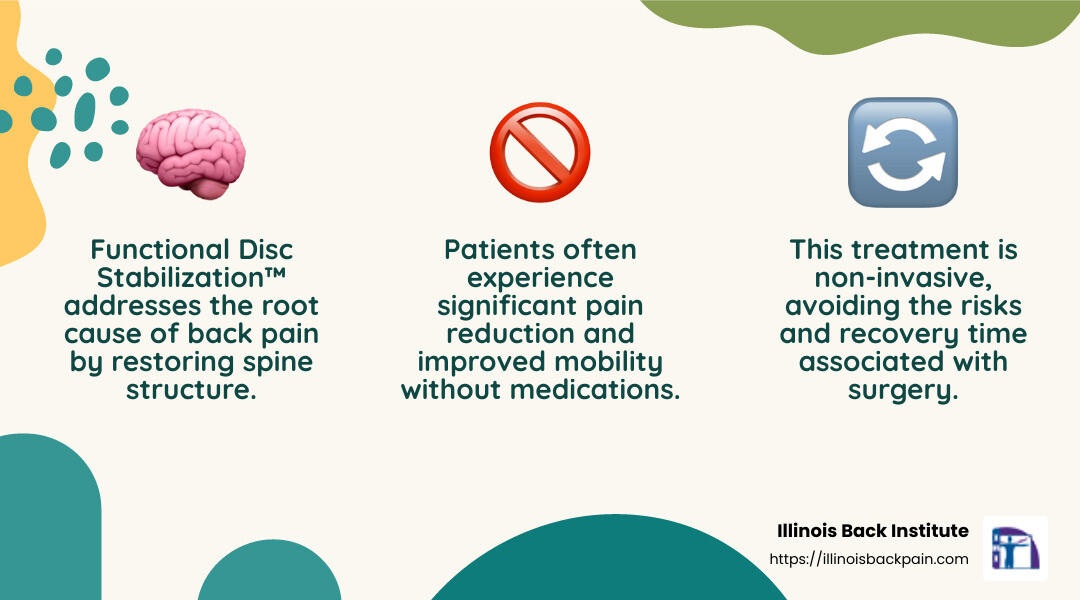
Functional Disc Stabilization™ is a unique, drug-free and surgery-free method designed to address the root cause of back pain. Unlike treatments that mask symptoms, this approach targets disc degeneration directly, helping to restore the spine’s natural structure and function. By reversing disc degeneration, this treatment not only alleviates pain but also strengthens the back, reducing the likelihood of future issues.
Benefits of a Non-Invasive Approach
Opting for a non-invasive treatment like Functional Disc Stabilization™ means avoiding the risks and recovery time associated with surgery. Patients often experience significant pain reduction and improved mobility without the need for medications, steroid injections, or surgical interventions. This approach is also adaptable for all ages and various back conditions, making it an inclusive choice for many suffering from sciatica.
Success Stories
The Illinois Back Institute has a proven track record, with tens of thousands of patients experiencing relief from chronic back pain. For example, Anthony Isadore, who came to us with severe sciatica pain, found complete relief after undergoing our treatment. His story is not unique; many others have regained their quality of life through our specialized care.
A Holistic Approach
Our team of experts, including physical therapists, doctors, and nurse practitioners, work together to provide a comprehensive treatment plan custom to each individual. This holistic approach ensures that every aspect of your condition is addressed, leading to more effective and lasting results.
By choosing Functional Disc Stabilization™, you are opting for a path to recovery that is safe, effective, and empowering. Say goodbye to the limitations of sciatic nerve pain in the left leg and accept a future of mobility and freedom.
Learn more about how Functional Disc Stabilization™ can help you at Illinois Back Institute.
Frequently Asked Questions about Sciatic Nerve Pain
How do you fix sciatic nerve pain in the left leg?
Fixing sciatic nerve pain in the left leg often starts with simple lifestyle changes. Walking is a great exercise because it’s gentle on the body and helps keep your muscles strong. Strong muscles support your spine and can reduce pain. Additionally, the Illinois Back Institute offers a unique treatment called Functional Disc Stabilization™, which is a non-invasive, non-surgical, and drug-free back pain treatment. This method has proven success with tens of thousands of patients by reversing disc degeneration, giving you a healthier, stronger back without medications, surgery, or painful injections.
Weight loss can also make a big difference. Carrying extra weight puts more stress on your spine, which can worsen sciatic pain. Losing even a small amount of weight can relieve some of this pressure.
Muscle strength is crucial. Exercises that strengthen your core muscles, like your stomach and back, can help support your spine better. This can prevent flare-ups of pain.
Does walking help sciatica?
Yes, walking can definitely help with sciatica! Walking keeps your body moving, which is important for reducing inflammation. It also helps improve your posture and overall body mechanics. Good body mechanics mean your body moves the way it should, which can help prevent pain.
Try to walk regularly, even if it’s just a short distance. Over time, this can help ease the pain and keep your body flexible.
What to do when your sciatica is so bad you can’t walk?
When your sciatica is extremely painful, it’s important to rest but not for too long. Total inactivity can make things worse. Instead, focus on gentle stretching exercises. These exercises can help ease tension in your muscles and improve your flexibility.
Pay attention to your posture. Sitting or standing with good posture can help reduce the pressure on your sciatic nerve. Also, be mindful of your body mechanics when lifting or bending.
If the pain is unbearable, consider seeing a healthcare professional. They can guide you on the best strategies to manage your pain and help you get back on your feet.
Conclusion
At the Illinois Back Institute, we understand the frustration and discomfort that comes with sciatic nerve pain in the left leg. Our goal is to provide natural pain relief through non-surgical options that truly work. We specialize in Functional Disc Stabilization™, a proven, non-invasive treatment that helps reverse disc degeneration. This approach strengthens your back without the need for medications, surgery, or painful injections.
Our treatment method has already helped tens of thousands of patients find relief. By focusing on natural pain relief, we aim to empower you to live a healthier, pain-free life. We believe in addressing the root causes of sciatica for long-lasting results, rather than just masking the symptoms.
If you’re tired of living with sciatica pain, we invite you to explore our sciatica pain solutions and find how our innovative methods can help you regain control over your life. With the right care and guidance, a pain-free future is within your reach.