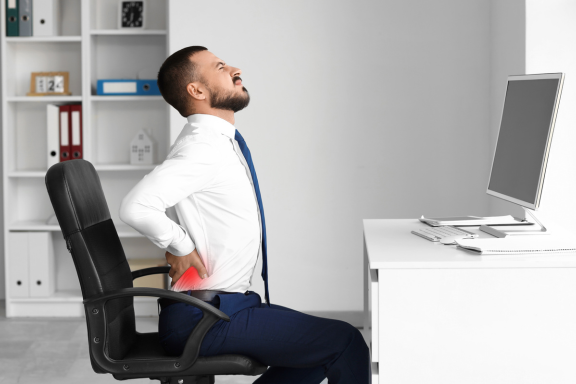
Living with back pain can be worrying, leaving you to wonder if what you’re feeling is a typical ache or a sign of something more serious. Knowing when to seek help is vital for your peace of mind and recovery.
Most people will experience back pain at some point during their lives.
Fortunately, many episodes improve with rest, activity modification, or conservative treatment.
But sometimes back pain is your body’s way of telling you something more serious may be happening.
One of the most common questions patients ask is:
At Illinois Back Institute, patients throughout Orland Park, Tinley Park, and the greater Chicagoland area often wonder whether their symptoms are simply part of aging or whether they should seek medical attention.
While most back pain is not a medical emergency, there are certain warning signs that should never be ignored.
Most Back Pain Is Not an Emergency
Before discussing warning signs, it’s important to understand that the majority of back pain results from conditions such as:
- Muscle strains
- Ligament injuries
- Herniated discs
- Bulging discs
- Sciatica
- Degenerative disc disease
- Arthritis
Although these conditions can be painful, they typically allow time for proper evaluation and treatment planning.
However, some symptoms require immediate medical attention.
7 Back Pain Warning Signs You Shouldn’t Ignore
1. Loss of Bladder or Bowel Control
One of the most serious warning signs is suddenly losing control of your bladder or bowels.
When this occurs along with severe back pain, it may indicate significant pressure on important spinal nerves.
What to do: Seek immediate emergency medical evaluation.
2. Progressive Weakness in the Legs
Occasional soreness is one thing. Progressively losing strength in one or both legs is something entirely different.
If walking becomes increasingly difficult or your legs begin giving out unexpectedly, this may indicate neurological involvement.
What to do: Seek prompt medical attention, especially if weakness is sudden or rapidly worsening.
3. Numbness Around the Groin or Inner Thighs
Loss of sensation around the groin, buttocks, or inner thighs, sometimes described as the “saddle” area, should never be ignored.
Although uncommon, this symptom may indicate serious compression of spinal nerves.
What to do: Seek immediate emergency medical evaluation.
4. Severe Pain After a Major Fall or Accident
If significant back pain develops after a motor vehicle accident, fall from height, sports injury, or another major trauma, your spine should be evaluated.
Trauma can cause fractures and other injuries that may not always be obvious immediately.
What to do: Seek prompt medical attention following significant trauma, particularly when pain is severe or accompanied by weakness, numbness, or difficulty moving.
5. Fever Along With Severe Back Pain
Although uncommon, severe back pain accompanied by fever, chills, or unexplained illness may indicate an infection or another condition requiring medical care.
What to do: Contact a medical professional promptly for evaluation.
6. Pain That Continues to Rapidly Worsen
Many episodes of mechanical back pain gradually improve.
Pain that becomes dramatically worse over several days, particularly without a clear explanation, deserves additional attention.
What to do: Arrange a medical evaluation to determine the underlying cause.
7. Persistent Pain That Never Fully Goes Away
Not every warning sign requires a trip to the emergency room.
However, pain that continues for weeks, repeatedly returns, interferes with sleep, limits normal activities, or radiates into the legs should not simply be accepted as part of getting older.
What to do: Schedule an evaluation to determine why your symptoms continue returning.
“One of the biggest mistakes I see is patients waiting months or even years hoping their pain will simply disappear. While most back pain isn’t an emergency, chronic or recurring symptoms deserve answers. The earlier we understand what’s causing the pain, the sooner we can begin building the right treatment plan.”
— Dr. Z, Illinois Back Institute
Not Every Severe Back Pain Episode Means Surgery
Many patients worry that severe pain automatically means surgery is inevitable.
Fortunately, that’s often not the case.
Conditions such as herniated discs, sciatica, spinal stenosis, and degenerative disc disease may have conservative or non-surgical spinal treatment options, depending on the patient’s diagnosis and overall condition.
The most important step is determining what is actually causing the symptoms.
If surgery has been recommended and you’re researching other possibilities, read Told You Need Back Surgery? 7 Non-Surgical Options to Explore First before assuming surgery is your only path.
Emergency Symptoms vs. Persistent Back Pain
It helps to separate these two situations.
Chronic or recurring back pain that lasts for weeks, repeatedly returns, radiates into the legs, or limits your daily activities may not be an emergency, but it still deserves a proper evaluation.
If you’ve found yourself repeatedly treating symptoms only for the discomfort to return, our article Why Back Pain Keeps Coming Back Even After You Feel Better explains why recurring pain may deserve a closer look.
Real Patient Success Story
Anthony came to Illinois Back Institute after dealing with back pain that was interfering with his quality of life.
His experience is a reminder that persistent symptoms deserve answers and that understanding the underlying source of back pain can help patients make more informed decisions about their care.
Watch Anthony share his experience with Illinois Back Institute and his journey toward feeling better.
Frequently Asked Questions About Serious Back Pain
When should I go to the emergency room for back pain?
+
Is severe back pain always an emergency?
+
When should I see a spine specialist?
+
Can chronic back pain become worse if left untreated?
+
Where can I have persistent back pain evaluated in Orland Park?
+
Schedule a Consultation With an Orland Park Back Pain Specialist
If you’re experiencing chronic back pain, sciatica, neck pain, or recurring spine-related symptoms, Illinois Back Institute is here to help determine what may be contributing to your pain.
Patients throughout Orland Park, Tinley Park, and the greater Chicagoland area visit our team to better understand their symptoms and explore appropriate non-surgical treatment options.
If your symptoms are persistent rather than an emergency, a comprehensive evaluation may help determine whether a herniated disc, spinal stenosis, degenerative changes, sciatica, or another condition may be contributing to the problem.
Important: If you are experiencing emergency warning signs such as loss of bladder or bowel control, saddle-area numbness, rapidly progressing weakness, or symptoms following major trauma, seek immediate medical attention rather than waiting for an office consultation.